Home Blog Shared House Guide Don’t get caught making these mistakes, quick stater guide to taiwan etiquette.


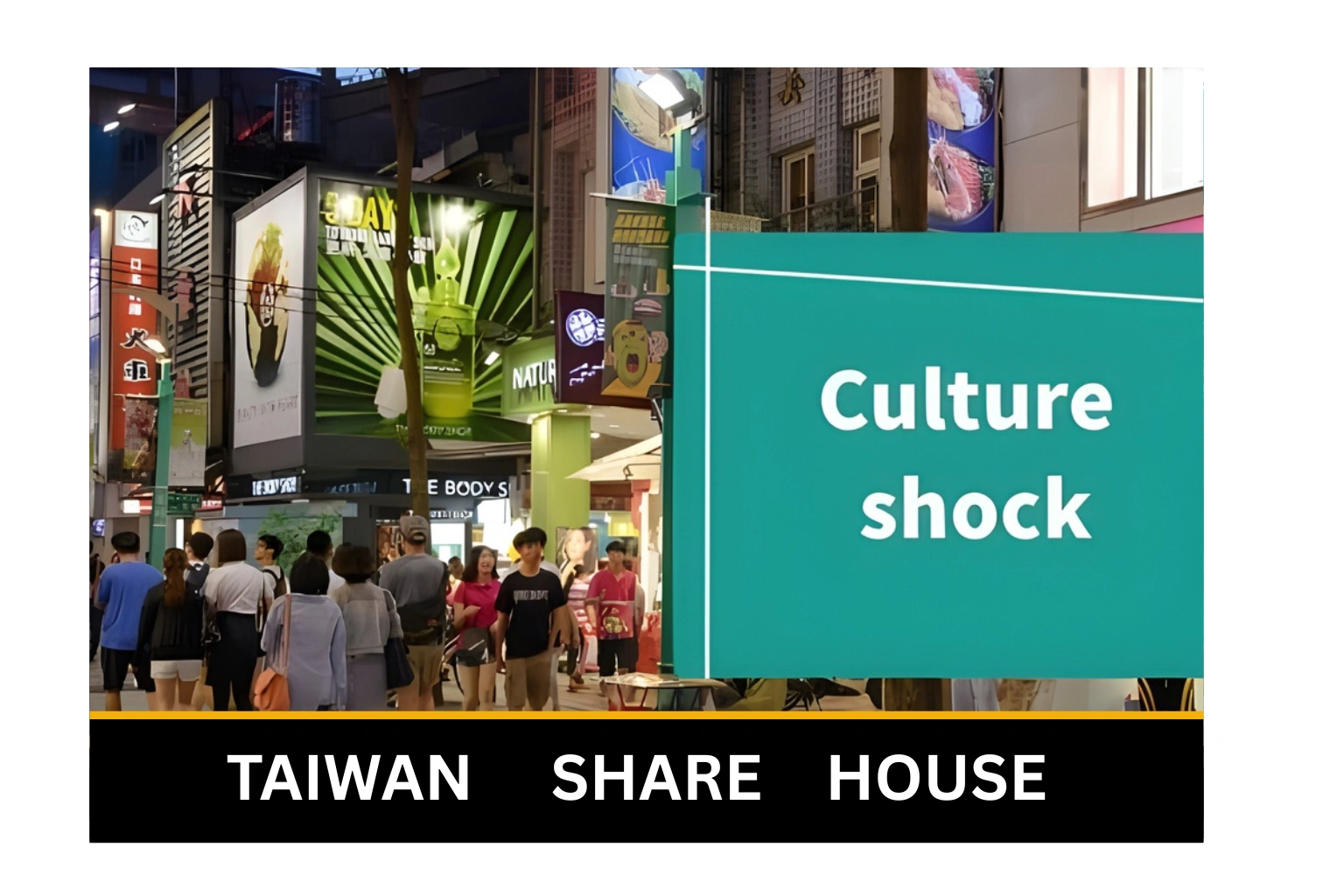
Having lived in Taiwan almost a decade ago and recently taken my first trip back to North America you can't help but being hit with a wave of culture shock , so to avoid making similar mistake here ,this is a quick guide.
Travel doesn't just show you new places—it holds up a mirror to the way you’ve lived your entire life.
When you spend your whole life in one country, you subconsciously accept your hometown’s habits as the global default. You assume subway platforms are naturally loud, that eating a sandwich on a morning train is universal, and that public street bins are just a basic law of physics.
It isn't until you step off a plane in a place like Taiwan—fresh off a trip from cities like Toronto, Vancouver, or New York—that your perspective shifts dramatically. You might subconciosly assume that all big cities behave the same way so people etiquette is also the same. However after a few trial and errors you realize that what one country views as normal, another views as chaotic. Conversely, what looks at first glance like a restrictive set of rules in Taiwan is actually a deeply intentional system designed to make life cleaner, safer, and infinitely more peaceful for millions of people living closely together.
Traveling opens up your life because it forces you to stop asking "Why do they do it like that?" and start asking "What can I learn from this way of living?"
In Toronto or Vancouver, sipping a coffee or eating a snack on the train is second nature. In Taiwan, the second your foot steps across the bright yellow line on an MRT subway platform, all food, drinks, chewing gum, and even water are strictly banned.
[ Cross the Yellow Line ] ➔ [ Pockets Away ] ➔ [ Fines up to NT$7,500 ($235 USD) ] The Shock: Getting a gentle tap on the shoulder from an MRT attendant or helpful local because you took a tiny sip of water on a hot summer afternoon.
Why it Exists: It’s not about being bossy; it’s about pest control and system reliability. Food crumbs attract mice and cockroaches into underground tunnels, which can chew through high-tech wiring and cause train delays.
The Benefit: The Taipei MRT is globally famous for being spotless, insect-free, incredibly fast, and smelling fresh—even during humid peak rush hours.
While Canadian subways are relatively quiet compared to their American neighbors, people still hold full-volume phone calls or chat loudly with friends. On Taiwan’s MRT and buses, an unwritten rule takes over: Keep it down.
The Shock: Stepping onto a packed, standing-room-only train at 5:30 PM and realizing it is practically silent.
Why it Exists: Taiwan places a massive cultural emphasis on 不麻煩別人 (Bù máfan biérén)—a core belief in "not inconvenience or disturbing others." Commutes are viewed as collective quiet zones for people to decompress after long study or work days.
The Benefit: Your morning commute becomes a peaceful sanctuary where you can read, listen to podcasts, or mentally prepare for class without listening to someone else's speakerphone conversation.
In most Western cities, public trash cans sit on every street corner. In Taiwan, you can walk through a bustling commercial district for two miles with an empty boba cup and never see a single public garbage bin.
Even wilder? You don't just leave your household trash on the curb once a week. You have to chase the yellow musical trash trucks playing Beethoven’s "Für Elise" or Badarzewska's "A Maiden’s Prayer" five nights a week!
The Shock: Hearing classical music blaring down your alleyway, watching your entire neighborhood run into the street in their loungewear, and sorting raw food waste from general refuse right on the spot.
Why it Exists: Back in the 1990s, stationary street bins attracted stray animals and created massive pest issues, earning Taiwan the nickname "Garbage Island".
The Benefit: Taiwan turned its waste problem into a world-class success story, boasting a 55%+ recycling rate.
Walk into any MRT station or shopping mall, and you’ll notice an invisible line of human discipline: Everyone standing still stays on the right side of the escalator, leaving the left lane completely clear.
The Shock: Standing casually on the left side of an escalator and feeling the silent, collective pressure of twenty people behind you waiting to pass.
Why it Exists: It’s a habit born out of deep spatial consideration for commuters who are rushing to catch a connecting train or appointment.
The Benefit: Transit hubs move with surgical precision. Even during peak rush hour, people who are in a hurry can move freely without getting blocked by crowds.
In many countries, waiting for a bus involves a vague, chaotic cluster near the curb. In Taiwan, queuing is an art form.
The Shock: Seeing paint markings on MRT floors, bus stops, and night market stalls indicating exact queue paths—and seeing locals automatically forming perfect single-file lines without anyone saying a word.
Why it Exists: Queue culture removes social anxiety. There’s no pushing, no guessing who was there first, and no cutting.
The Benefit: Everything is fair, orderly, and relaxed. You never have to elbow your way onto a train or worry about someone stealing your spot for a popular bento stall.
Adapting to these unwritten rules takes a week or two, but once you adjust, going back to Western transit setups actually feels strange!
One of the easiest ways to master these cultural nuances without stress is living in an international share house. When you share a home with a blend of local Taiwanese residents and experienced expats, you get real-time advice on everything from sorting your recycling bags correctly to finding the best neighborhood bento spots.
You aren't just reading about Taiwan's culture from a guide—you're living it effortlessly alongside friends who have your back every step of the way. Welcome to Taiwan! 🇹🇼✨